
来源:世界卫生组织2017-03-03 13:41:51 中国 烟草 经济
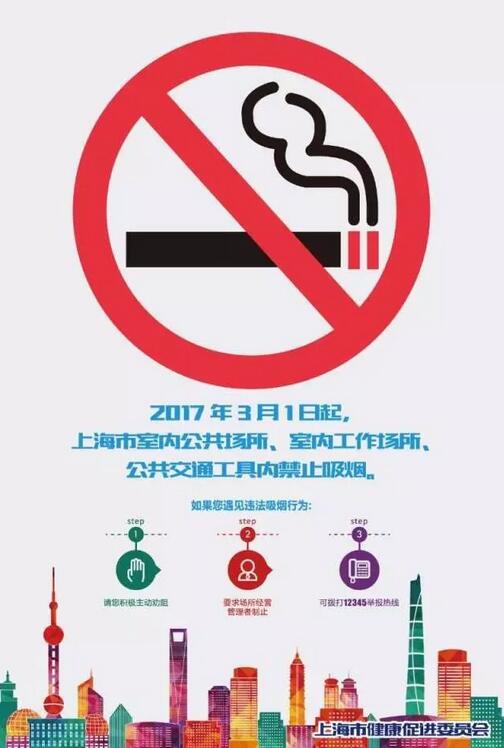
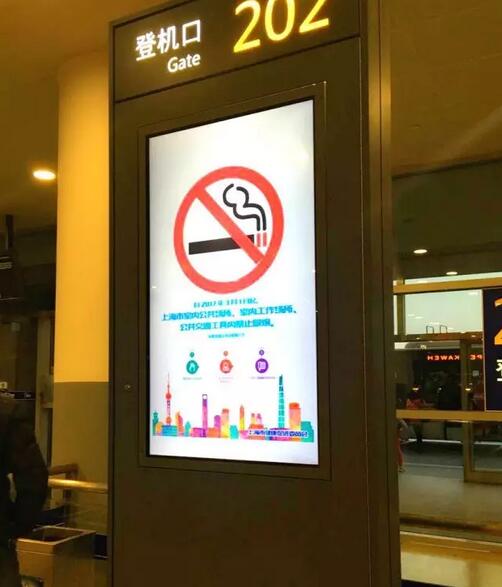
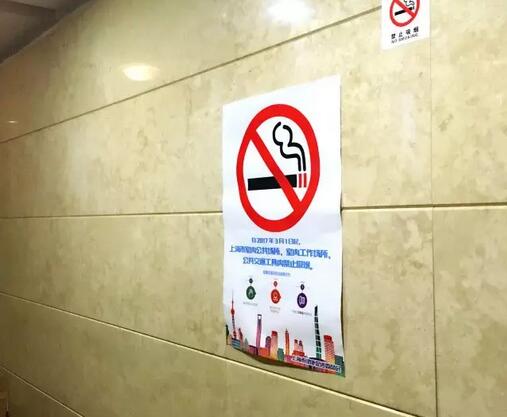
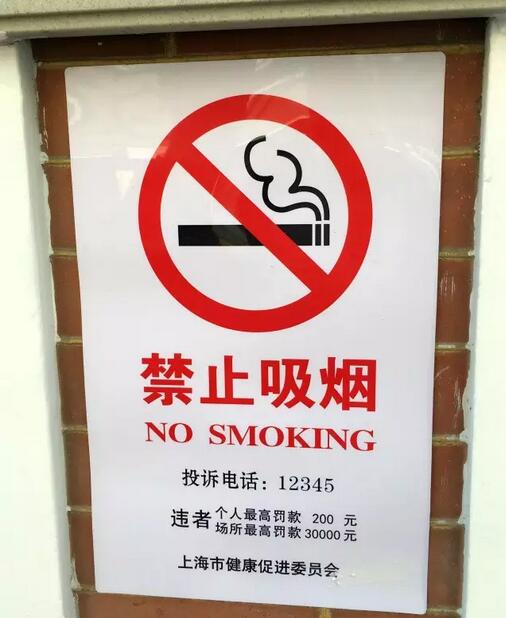
三月一日,继北京和深圳之后,上海市成为中国又一个出台公共场所和工作场所100%无烟政策的大城市。生活在上海、深圳和北京的6000万人民(比许多国家的人口还多),现在可以享受无烟公共场所带来的好处。
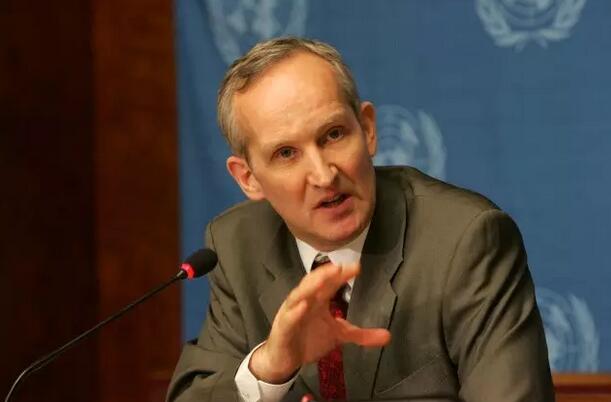
本文为世界卫生组织驻华代表施贺德博士的评论性文章:烟草经济是实现习主席现代中国愿景的障碍!
在祝贺上海继北京和深圳之后步入世界控制烟草先进之列的同时,我们不禁要问:为什么在全中国,只有这三个城市出台了100%全面无烟的政策?是什么妨碍着其他13亿群众在工作场所、工厂、餐馆和购物区享受室内空气无烟的权利?
在仅仅四年之内,习近平主席先后谈到了他对中国未来的设想:首先,他提出了中国梦;之后,他要求通过企业创新引领中国经济新常态;去年夏天,他提出了“健康中国2030”倡议,明确宣布公众健康是未来一切社会经济发展的前提条件。
上述一系列引人瞩目的政策证明,习主席中国愿景是经济增长要促进、而不是牺牲人民的健康。
不幸的是,在实现中国梦和“健康中国2030”愿景的道路上,仍然存在一个明显障碍,它一直在对抗着中国公共卫生部门、倡导者和公众所付出的巨大努力。
这就是烟草经济!烟草是旧式经济的代表;中国的国有烟草公司与由高附加值的创新产业和强大服务业驱动的未来经济模式格格不入;其发展高度依赖于中国烟民,阻碍着“健康中国2030”的实现。在习主席提出的未来目标的框架下,中国的未来不应有烟草经济的容身之处。
我们欢庆上海、深圳和北京无烟条例的出台,但这些地区都是中国的富裕城市,由此而产生了公平性问题。室内空气无烟不应仅仅是供富裕人群享受的奢侈品,而应是辛勤建设中国梦的全体中国人的权利。
可这一切为什么没有发生?
其主要原因是中国烟草企业是维持以烟草生产和使用为基础的经济模式的既得利益者,它们左右着政府负责烟草控制的机构。
2015年小幅提高烟草税取得成功,减少了吸烟并增加了政府收入。烟草税应该大幅提高,既能将其作为推动中国农村经济向替代作物转变的手段,同时又能维持国库的税收。但相反,烟草经济一直反对进一步提高烟草税和对烟草广告采取更严格的限制措施。
更令人担心的是,烟草经济几乎阻止了国家控烟条例工作的进展。有些人质疑农村地区的政府是否有能力执行全面的控烟条例,以此为自己在国家控烟立法方面的不作为辩解。对于这些质疑者,我希望他们看看中国解决一个更大难题的例子:通过政府强有力的领导和各级协调一致的行动,中国在不到30年内让数亿人脱贫。
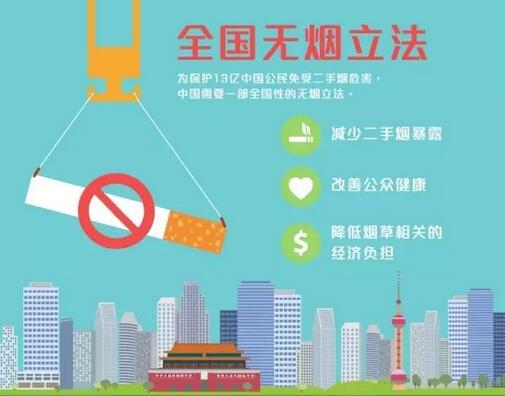
习主席提出的中国未来的目标十分明确。国家领导层应通过全面的国家控烟立法,确保全体中国人民、而不仅仅是富裕城市的群众都能享有无烟的室内公共环境。
在此之前,像上海市领导这样的城市领导者在自己的职权范围内做出大胆的领导决策,以确保本地人民的健康。这些城市领导给中国梦注入了新活力,让习主席提出的“健康中国2030”的目标逐步成为现实,把烟草经济打回原型,成为过去。
The Tobacco Economy – Holding Back President Xi’s Vision of a Modern China
Opinion piece by
Dr. Bernhard Schwartländer
WHO Representative in China
On Wednesday, March 1st, the city of Shanghai becomes the latest municipality in China, following Beijing and Shenzhen, to launch a 100% smoke-free policy in public places and work spaces. Some 60 million people – a number larger than many countries – living in in these cities can now enjoy smoke-free public places.
And while we congratulate Shanghai on joining Beijing and Shenzhen as global leaders in controlling tobacco, we must also ask – how is it that, in the whole of China, only these three cities have adopted 100%, comprehensive smoke-free policies? What is standing in the way of the other 1.3 billion citizens having the right to smoke-free indoor air in their workplaces, their factories, in restaurants, and shopping areas?
In the span of only four years, President Xi Jinping announced his vision for China’s future: first, he announced the Chinese Dream; he later called for China’s economy to reinvent itself, led by industrial innovation; and then, last summer, he announced his Healthy China 2030 initiative, a bold declaration that public health would be the precondition for all future economic and social development.
As evidenced in this remarkable series of policy announcements, the President’s vision for China is one in which economic growth enhances, rather than sacrifices, individual well-being.
Unfortunately, there remains a glaring obstacle to realizing the Chinese Dream and Healthy China 2030 vision – an obstacle which has resisted the considerable efforts of China’s public health authorities, advocates, and citizens.
The tobacco economy. Tobacco represents an economy of the past; China’s state-owned tobacco companies do not fit the vision of an economy driven by innovative, value-added manufacturing and a strong service sector. Its very reliance on Chinese smokers undermines efforts towards Healthy China 2030. Under the vision set out by President Xi, there is no room in China’s future for the tobacco economy.
We celebrate the smoke-free laws in Shanghai, Shenzhen and Beijing. But these are among the wealthiest cities in China, which raises the question of inequality. Smoke-free indoor air should not be a luxury for the wealthy, rather an entitlement for all the citizens in China who are hard-working and building the Chinese dream.
Why is this not happening?
Largely because the tobacco industry in China, which has a vested interest in maintaining an economy based on the production and use of tobacco, dominates the official government body meant to curb tobacco use.
The small but successful tobacco tax undertaken in 2015, which reduced smoking and added government revenues, should be sharply increased as way to transition China’s rural economy to alternative crops while maintaining tax contributions to the state coffers. Instead, the tobacco economy has resisted further tobacco taxes and stronger advertising restrictions.
Most concerning is that the tobacco economy has all but stopped progress on a national smoke-free law. Some justify their inaction on national legislation by questioning whether rural governments are capable of implementing a comprehensive smoke-free law. To those doubters I would point to the hundreds of millions of people China pulled out of poverty in less than 30 years – a much tougher implementation challenge, achieved through strong government leadership and coordinated action at all levels.
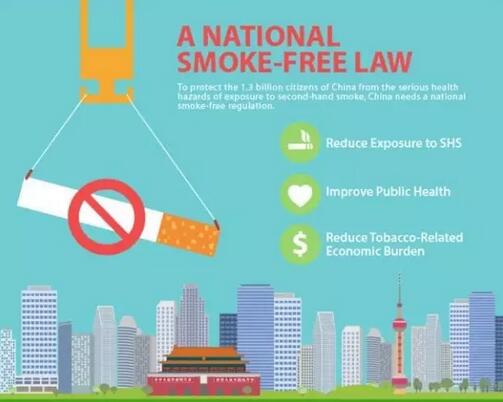
President Xi’s vision for China’s future is clear. National leaders should pass comprehensive, national, smoke-free legislation, ensuring that all Chinese citizens, not just those in the wealthiest cities, have smoke-free indoor public environments.
Until that happens, municipal leaders like those in Shanghai today are taking bold leadership decisions into their own hands to ensure the health of their citizens. These municipal leaders are breathing new life into the Chinese dream, making President Xi’s Healthy China 2030 vision a reality, and relegating the tobacco economy to a place it deserves – in the past.
合作单位
友情链接



 微博
微博 微信
微信 一键分享
一键分享


 京公网安备 11010502042254号